Services
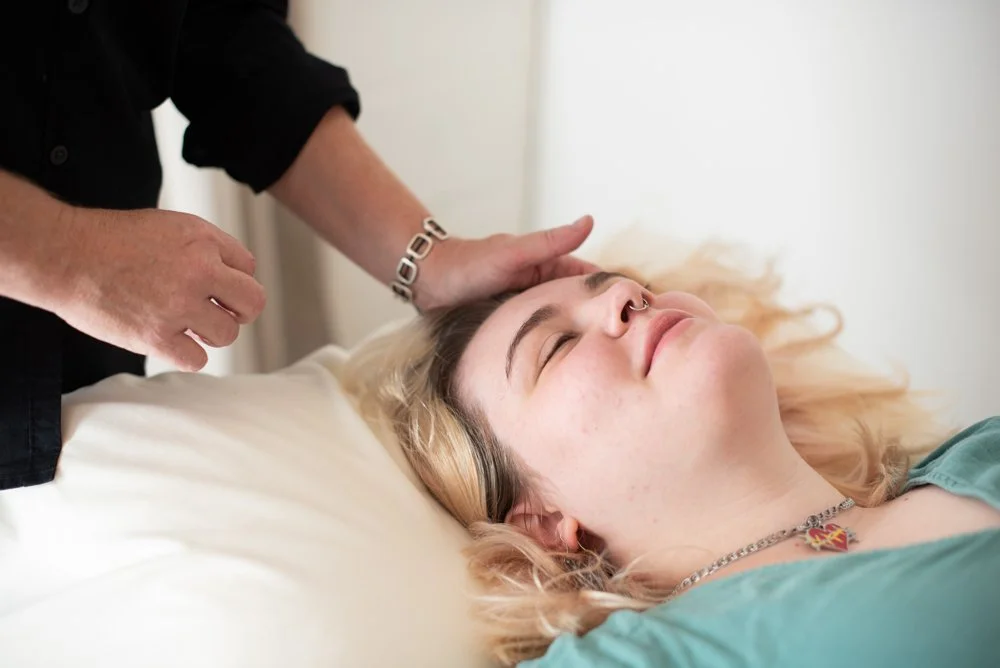
What to expect for your First Visit.
Welcome to AlpenGlow Healing Arts — we’re delighted you’re here. Your first visit is a gentle, grounded introduction to Chinese medicine with the goal to help you feel better, move easier, and live brighter. Here’s what to expect and how to prepare:
Before your visit
Intake forms: You’ll get a short health history and consent forms to complete. Please fill these out before arrival. It should only take 10-15 minutes on your device.
Wear comfortable clothing: Loose sleeves and pants make it easier for physical assessment and treatments like acupuncture and/or cupping.
Please make sure to have had a meal before arriving.
Arrive a few minutes early: This gives you time to settle in, use the restroom, and relax before your appointment. Please help yourself to tea or a snack while you wait.
Bring relevant documents: Any recent lab results, imaging, or a current medication list can be helpful if they haven’t been already added online.
Comprehensive intake and assessment (30 minutes)
Health history: Your practitioner will ask about your medical history, lifestyle, sleep, digestion, stress, energy, and the specific concerns that brought you in.
Symptom conversation: Be specific about pain, timing, triggers, and what helps or makes things worse.
Observation and pulse/tongue inspection: We use visual cues (tongue, complexion, posture) and a pulse assessment to get a holistic picture of your health.
Physical assessment: There may be gentle palpation of muscles, joints, and abdominal areas to locate imbalances.
Treatment plan and first session (60 minutes)
Collaborative plan: Your practitioner will explain their findings and propose a treatment plan tailored to your goals and lifestyle. This often includes a mix of acupuncture, herbal medicine, cupping, moxibustion, lifestyle guidance, and self-care recommendations.
First treatment: You’ll usually receive a treatment during your first visit. This might be acupuncture, cupping, or both. We’ll explain what will happen and answer any questions.
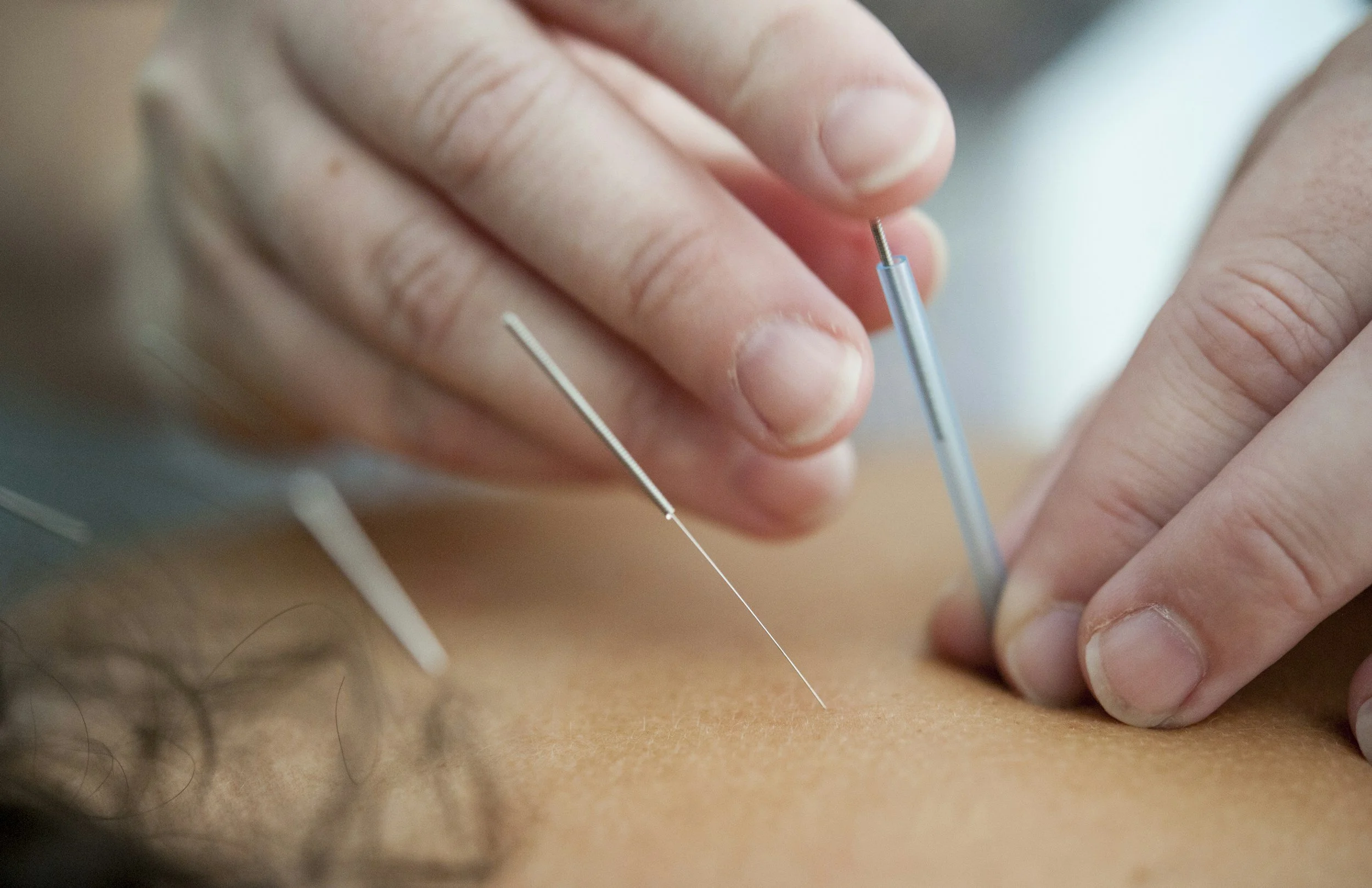
Comfort and safety: Needling is typically gentle and not painful; you may feel a slight pinch or a dull, warm sensation. We use sterile, single-use needles. Cupping can leave circular marks that fade over days to a week.
Aftercare and follow-up
Immediate aftercare: After treatment we’ll give you a few minutes to rest. You may feel relaxed, energized, or experience mild emotional release — all normal.
Home care: Expect simple recommendations like herbal formulas, dietary suggestions, or sleep hygiene tips to support the work done in the clinic.
Follow-up schedule: Many people benefit from a series of visits. Your practitioner will recommend a follow-up frequency based on your condition and goals.
Practical info
Session length: Expect 90 minutes for the first visit; subsequent sessions are often 60 minutes.
Payment and insurance: Currently we only accept Regence Blue Cross Blue Shield for insurance. Check with your insurer about acupuncture coverage; we can provide superbills for reimbursement when applicable.
Cancellation policy: Please let us know at least 24 hours in advance if you need to reschedule to avoid cancellation fees.
What to expect emotionally and physically
Variable responses: Some people feel immediate relief; others notice gradual improvements over several sessions. Temporary soreness, fatigue, or emotional release can occur as your body rebalances.
Questions encouraged: We love curiosity. Ask anything about what you’re experiencing or why a particular therapy is recommended.
We’re excited to be part of your healing journey. If you have specific concerns before your first visit — needle fear, medical conditions, pregnancy, or allergies — tell us when you book so we can tailor your appointment. We look forward to meeting you!
Acupuncture
Acupuncture is an ancient Chinese medicine practice that uses thin, sterile needles inserted into specific points on the body to restore balance and encourage the body’s natural healing.
What it treats
Pain: any and all types, chronic and acute, osteoarthritis, headaches/migraines
Stress & anxiety: helps regulate the nervous system and reduce cortisol
Sleep issues: improves sleep quality and helps with insomnia
Digestive complaints: IBS, bloating, nausea
Women’s health: menstrual pain, PCOS, fertility support, menopausal symptoms
Respiratory support: seasonal allergies, sinus congestion
Adjunctive care: supports recovery alongside physical therapy, chiropractic, medication, and more.
How it works
Qi and meridians: Traditional theory describes qi (vital energy) flowing through meridians; needles can help to unblock or redirect this flow.
Neurophysiological explanation: Needling stimulates nerves, triggers release of endorphins and neurotransmitters, modulates inflammation, and promotes local blood flow and tissue repair.
Mind-body effect: Acupuncture promotes parasympathetic activation—think calm, rest and digest, sleep-friendly brain state.
Safety & side effects
Generally very safe when performed by a licensed acupuncturist.
Minor risks: slight bleeding, bruising, transient soreness, lightheadedness. Serious complications are extremely rare.
Not recommended: needles should be avoided at certain medical sites (e.g., over active infections, some implantable devices) —always disclose your full medical history.
Acupuncture often works best as part of an integrative plan: herbal medicine, cupping, moxibustion, nutrition counseling, physical therapy, or counseling for mental health. We collaborate with your health team to support the whole person.
Fire Cupping
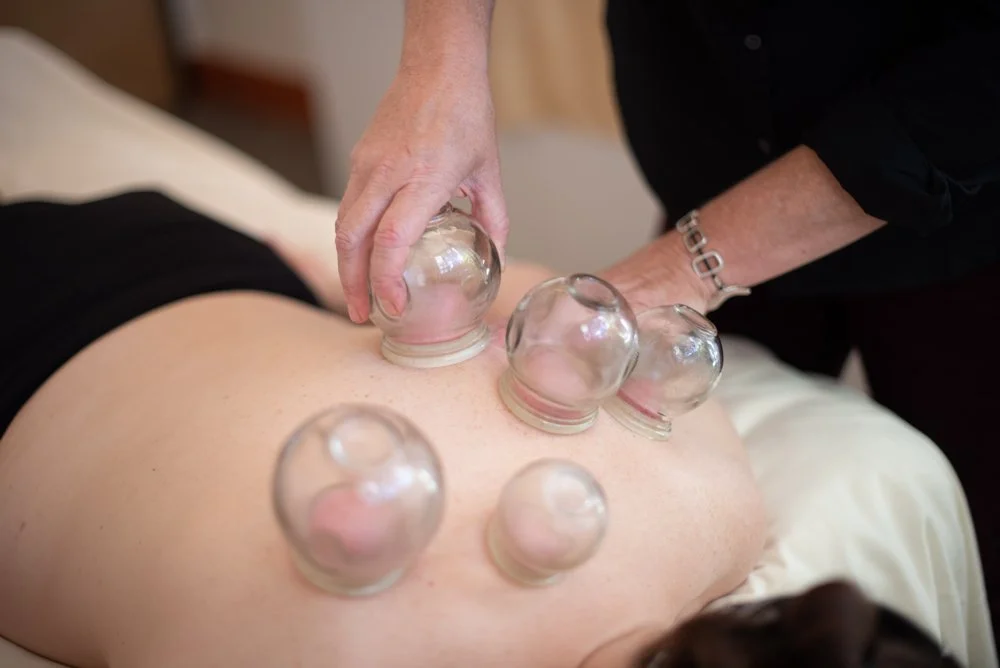
Cupping is a traditional Chinese medicine therapy where glass cups are placed on the skin to lift tissues, increase circulation, and encourage the body’s self-healing. It feels like a deep, targeted hug for muscles and stuck energy.
How it works
Suction: Cups create negative pressure, pulling the skin and superficial muscle upward. This increases local blood flow, draws stagnation to the surface, and stimulates lymphatic drainage.
Mechanisms: Increased circulation brings oxygen and nutrients, disperses inflammatory byproducts, and helps relax tight fascia and muscle bands. It also stimulates the nervous system and can modulate pain signals.
What it’s good for
Musculoskeletal pain: neck, shoulders, back, sciatica, stiff hips.
Sports recovery and performance: reduces delayed onset muscle soreness, improves range of motion.
Tension headaches and migraines: when paired with appropriate acupuncture or manual therapy.
Respiratory congestion: can help loosen phlegm and support breathing when used on the back and chest.
Stagnation and energetic blockages: in TCM terms, moves qi and blood stagnation.
What to expect in a session
Sensation: initial tight pulling, then a warm, pleasantly aching release as tissues relax. Many patients find it deeply relaxing.
Marks: circular marks that range from pink to deep purplish-red depending on how much stagnation was present. They’re not bruises in the same sense as tissue trauma; they usually fade over 3–10 days.
Duration: cups typically stay in place for 5–20 minutes, depending on area and goal.
Safety and contraindications
Generally safe when performed by trained practitioners.
Cupping is avoided over open wounds, skin infections, sunburn, recent fractures, severe varicose veins, and areas with active bleeding disorders or anticoagulant use (disclose medications and conditions).
Not recommended during the first trimester of pregnancy over the abdomen or lower back without practitioner approval.
Aftercare
Keep the cupped area warm and avoid cold drafts/cold plunges for 24 hours.
Hydrate to help clear mobilized metabolic byproducts.
Expect mark progression from darker to lighter; if marks are unusually painful, spreading, or signs of infection appear, contact your practitioner.
Herbal Consult
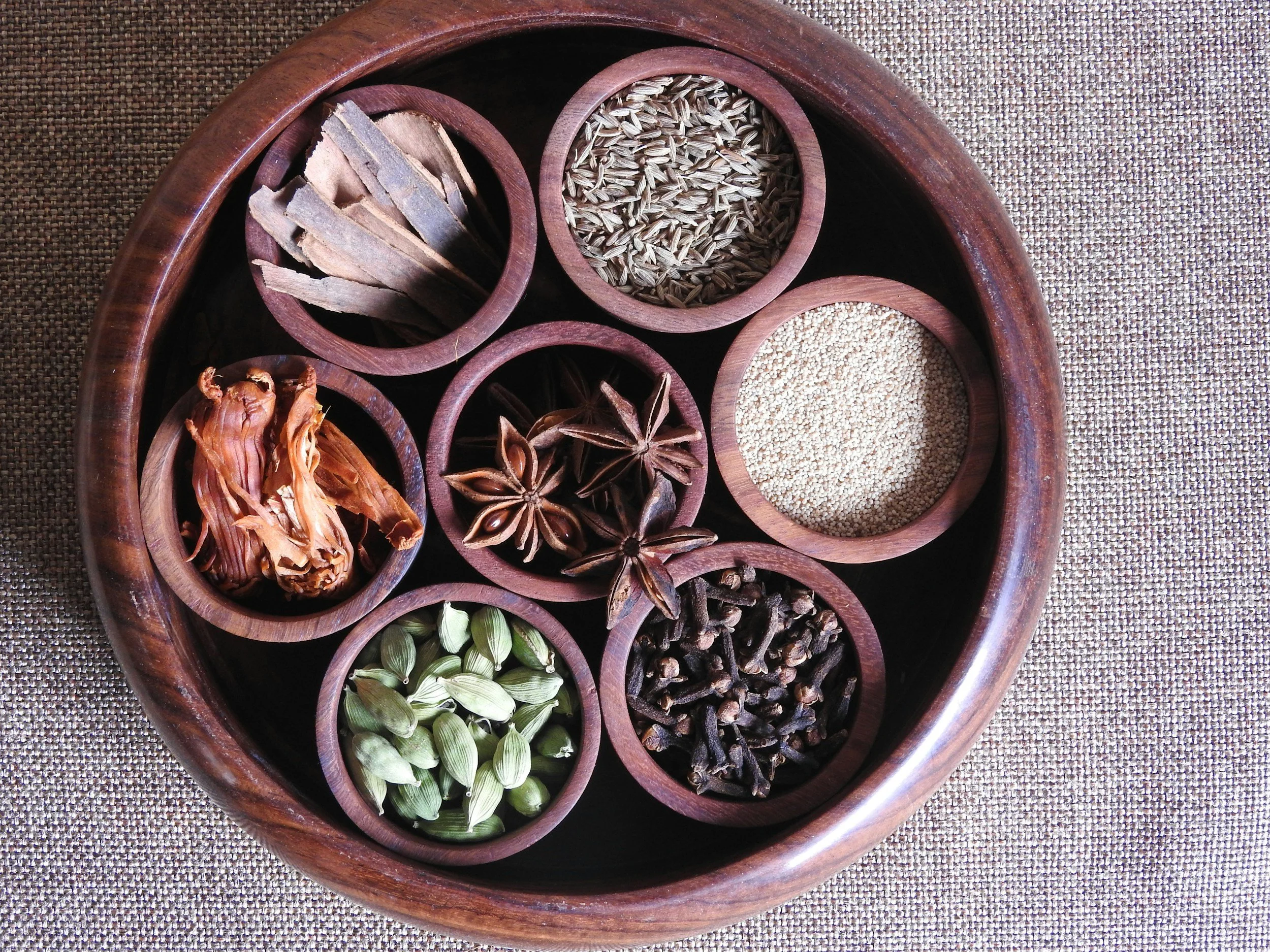
Chinese herbal medicine is a system of botanical, mineral, and sometimes animal-derived remedies developed over thousands of years to restore balance and support the body's natural healing. Herbs are combined in formulas tailored to a person’s pattern of disharmony rather than a Western medical diagnosis alone.
Herbal Formulas can be incredibly helpful in supporting, reinforcing and assisting alongside acupuncture. It’s a wonderful way to give a person autonomy in their own healing journey and to take charge daily to heal from the inside out on a deep and nourishing level.
There are multiple ways to take herbs, such as granules (powder formula that is dissolved in water), bulk herbs that are made into a tea, or pills, and even topical herbs that are put directly onto the skin. Depending on a person’s pattern, a formula will be advised with your preference of how to prepare the formula.
Safety, interactions, and regulation
Individualized prescriptions: Because herbs affect the whole system, accurate diagnosis by a trained TCM practitioner is important.
Drug interactions: Herbs can interact with pharmaceuticals (e.g., warfarin, antihypertensives, immunosuppressants). Always tell your TCM practitioner what medications you’re taking.
Side effects and monitoring: Some herbs can cause digestive upset, loose stools or allergic reactions. If adverse reactions do occur, contact your practitioner and stop taking the formula if you’re unsure what to do.